The conference industry’s next disruption is the keynote itself
The conference industry’s next big disruption is the keynote itself. For decades the formula was a stage, an expert and a slide deck. Holographic keynotes turn that into an experience: speakers step inside their content, ideas appear in 3D and audiences stay present. Planners and sponsors get stronger engagement, deeper customization and a real return.
Conferences have followed the same playbook for decades: a big stage, a lineup of experts and a sea of attendees watching PowerPoint. It worked. Until it did not.
Audiences now expect more. They do not want to sit back and listen. They want an experience that pulls them in, surprises them and stays with them long after the closing session. Enter the holographic speaker: a hologram on stage is about changing how information is delivered, so a keynote feels like an experience instead of another presentation.
Let us be honest: when did a static slideshow last make an audience gasp?
KEY TAKEAWAYS
- Conference audiences expect experiences, not passive presentations.
- Holographic keynotes strengthen storytelling and make complex ideas engaging and visual.
- Motion, depth and immersion help planners solve their biggest problem: fading attention.
- Holograms allow deep customization, from leadership avatars to industry-specific scenes.
- The return shows up in engagement, social sharing, sponsor value and an innovative reputation.
- Not all holographic speakers are equal: some bring a full setup, others bring a list of rentals.
Why is the conference industry ready for a major shift?
The conference industry is at a turning point. For years, the formula was simple: bring in an expert, add a PowerPoint and call it a keynote. But attention spans are shrinking and expectations are rising. Audiences want to be immersed, engaged and wowed, not talked at.
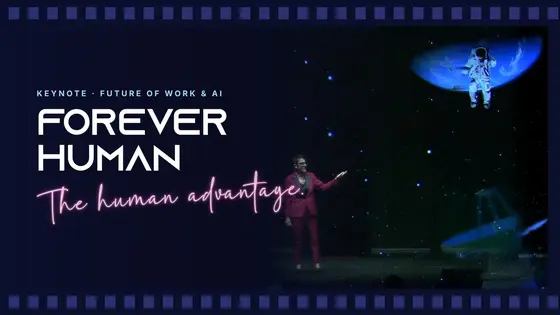
Holographic speakers lead this shift with an entirely new way to deliver content. A hologram on stage turns a keynote into a dynamic, interactive experience. Speakers step inside their content, illustrate ideas in 3D and create moments that leave the room speechless. When did a standard slide deck last do that?
This evolution is not coming. It is here. The question is no longer whether the industry will adopt immersive presentations. It is how quickly forward-thinking planners will make them part of their conferences.
If the last truly innovative thing at your conference was switching from paper agendas to a mobile app, it is time for a change.
Is holography more than a tech gimmick?
Skeptics may wonder whether a hologram presentation is just another flashy gimmick. Not even close. Done right, holographic speakers do not use technology for its own sake. They use it to tell stories in ways a traditional keynote never could.
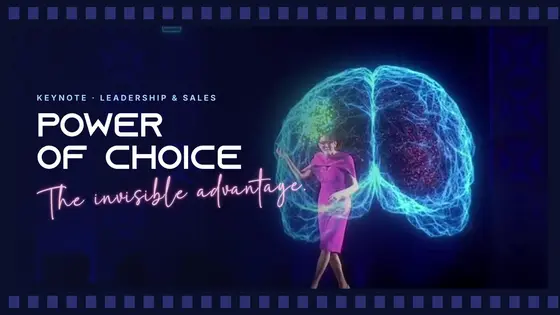
Picture this: instead of talking about industry transformation, the speaker steps inside a hologram and walks through a futuristic model that shows the change in real time. Or watch complex decision-making unfold inside a life-sized brain instead of hearing about it. This is not PowerPoint on steroids. It is storytelling in its most immersive form.
And with event industry trends all pointing toward deeper engagement, holographic presentations are proving to be a breakthrough rather than a fad. Technology should never steal the spotlight. It should make the message shine brighter.
Why is audience engagement the conference industry’s biggest challenge?
If you have ever sat through a full day of back-to-back keynotes, you know how it goes. However great the content, attention fades, minds drift and phones take center stage. Keeping attendees engaged is one of the biggest challenges planners face, and traditional presentations are not making it easier.
A hologram on stage changes that. Depth, movement and interactive elements pull the audience into an experience. Instead of staring at static slides, attendees are immersed in something visually dynamic and want to know what comes next.
There is science behind it, too. Studies show that immersive experiences reduce cognitive fatigue and improve information retention. When people see a concept come to life in front of them instead of only hearing it, they stay present, focused and interested. Audiences do not remember everything they hear. They rarely forget what they experience.
How do holographic keynotes work?
A hologram presentation might feel like magic, but behind the scenes it is all precision: projection, animation, lighting, motion tracking and visuals, choreographed to feel alive. Unlike screen-based graphics, a hologram on stage adds depth, motion and realism, which makes concepts more tangible.
For planners, adding this kind of technology may sound daunting. The good news: it is much smoother than you think. Some trends require massive logistical coordination, but holographic speakers like me often come with compact, travel-friendly setups designed to fit into most venues.
Technology should work for you, not against you. Done right, a hologram keynote is not a spectacle. It is a tool that makes storytelling stronger, engagement deeper and the whole experience unforgettable. The best holographic presentations are not about technology. They are about making ideas impossible to ignore.
How can holographic keynotes be customized to your event?
One of the biggest advantages of holographic presentations is how far they can be customized to the exact needs of an event.
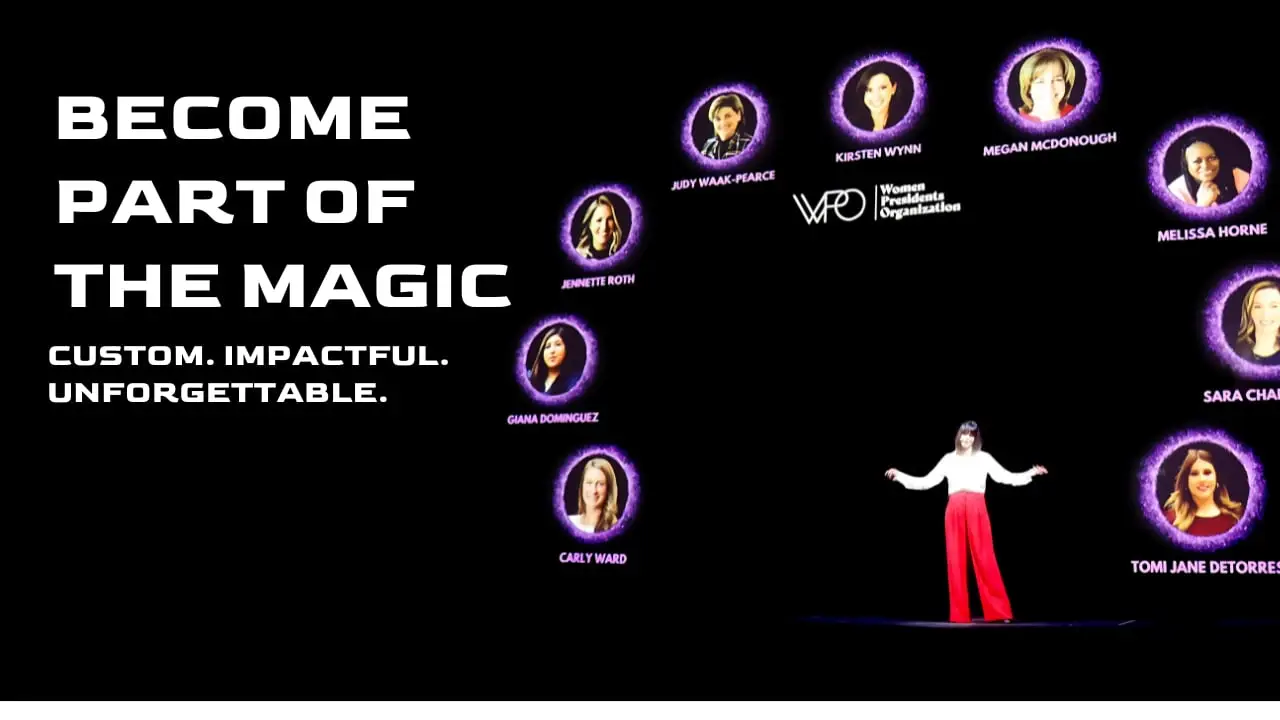
Imagine surprising your audience by bringing your leadership team on stage as holographic avatars, a moment that blends innovation with familiarity. Or a virtual factory tour at a manufacturing conference, where attendees watch the production process unfold around them instead of hearing about it. Experiences like these make keynotes interactive and deeply relevant to each audience.
Customization is not adding a logo to a slide. It is industry-specific storytelling, real-time data visualizations or branded holographic effects that make content come alive. The goal is making the audience feel the keynote was built just for them, because it was.
What is the ROI of holograms for conference organizers?
Planners know that standing out takes more than great content. It has to stick and lead to action after the conference is over. On ROI, holographic presentations check every box.
- Higher engagement. Audiences stay present and locked into the experience instead of scrolling through their phones.
- Social sharing. The wow factor of a hologram on stage gets people posting, which gives your event a marketing boost without extra effort.
- Brand association. When attendees leave inspired, they connect that impact with the organization behind the event.
- Sponsor value. Sponsors and exhibitors get fresh branding opportunities beyond static logos and can interact with audiences in new ways.
- Reputation. Events that embrace immersive formats position themselves as innovators that set trends rather than follow them.
That is why companies and sponsors are eager to bring immersive experiences into their events. Being different is nice. Being memorable is what counts, and in an industry where attention is everything, it makes all the difference. When attendees pull out their phones, it should be to capture the moment, not to check their inbox.
How can event planners integrate holograms without the headache?
One of the biggest myths about holographic technology is that it is complicated to pull off. In reality, it is far more accessible than most event professionals assume. With the right holo speaker and production team, a hologram keynote can be nearly as smooth as a traditional one, with an extra layer of preparation and a lot of magic.
Venue logistics like lighting, stage depth and AV setup play a role. But some holographic speakers, myself included, come fully equipped with compact, travel-friendly systems that integrate into existing setups. Thorough planning and an experienced team are all it takes. Holograms are not complicated. Sticking to outdated event formats is.
What should you know before booking a holographic speaker?
Thinking about a hologram presentation for your next event? Two things.
First, venue setup matters. A hologram keynote works in most locations, but lighting, stage depth and AV setup make all the difference. Experienced holographic speakers walk you through the process so everything runs smoothly.
Second, not all holographic keynote performers are the same. Some come with a full, self-contained setup. Others rely on rentals, which can mean extra coordination and extra costs. Knowing what is included upfront avoids surprises and keeps expectations aligned. Some speakers bring the full package. Others bring a checklist of extra requirements. Know the difference.
In the end, a flawless hologram keynote comes down to early planning and the right speaker.
Where is the conference industry heading with holographic experiences?
We are only scratching the surface of what holographic speakers can do. As immersive technology evolves, expect more interactive elements, real-time audience engagement and AI-driven adaptability. Imagine a hologram that responds to audience reactions, a holographic Q&A where digital avatars answer questions in real time, or augmented reality overlays that let attendees engage with keynote content on their own devices. Virtual reality could let remote attendees experience a keynote as if they were in the room, and AR could add layers of real-time information and graphics to live sessions.
The next wave of event trends will be less about watching a speaker and more about stepping inside the keynote.
The future of the conference industry is about how content is experienced, not only what is said. For planners ready to push boundaries, the time for holographic keynotes, VR-enhanced presentations and AR-driven engagement is not years from now. It is now. Tomorrow’s conference experiences will not be watched from a chair. They will be lived from every angle.
Curious what that looks like for your audience? Explore my 3D immersive keynote experience.
Frequently asked questions
Do attendees need special equipment to see a hologram on stage?
No. Holograms on stage are visible to the whole audience without headsets or glasses. Unlike VR or AR, which need personal devices, a holographic presentation creates a shared experience from any seat. Proper venue setup matters most, and the speaker and production team handle it. Some speakers, myself included, even offer take-home holographic displays for mobile phones.
How does audience interaction work in a holographic keynote?
Holo speakers can build in real-time interaction, for example showing audience poll results as 3D visuals or bringing attendees’ digital avatars on stage. AI-powered holographic Q&A sessions can respond with pre-programmed or real-time answers. Passive listeners become active participants who feel part of the experience.
What venue setup does a hologram presentation require?
Most venues work with a few key conditions. Lighting control is crucial, since holograms only look vivid in darker settings, so large windows may need blackout solutions. Stage depth and ceiling height matter, a dark backdrop improves contrast, and some options need rigging. An experienced holographic speaker can recommend cost-effective adjustments.