How is event sponsorship shifting from logos to commerce?
Freeman’s report makes one thing clear: commerce is now the top reason attendees go to events, and sponsors are a huge part of that experience.
Attendees want to discover new products, touch them, compare them, talk to the people behind them and then use that insight to make smart professional decisions. Yet many sponsors still show up like it is a trade show in 2009: scripted, static and selling. That gap is a missed opportunity.
You can close it by working with sponsors early and designing experiences that fit the attendee’s path through your event. Instead of asking, “Where do you want your logo?” ask, “How do you want people to feel after visiting your space?”
1. Make product discovery the centerpiece
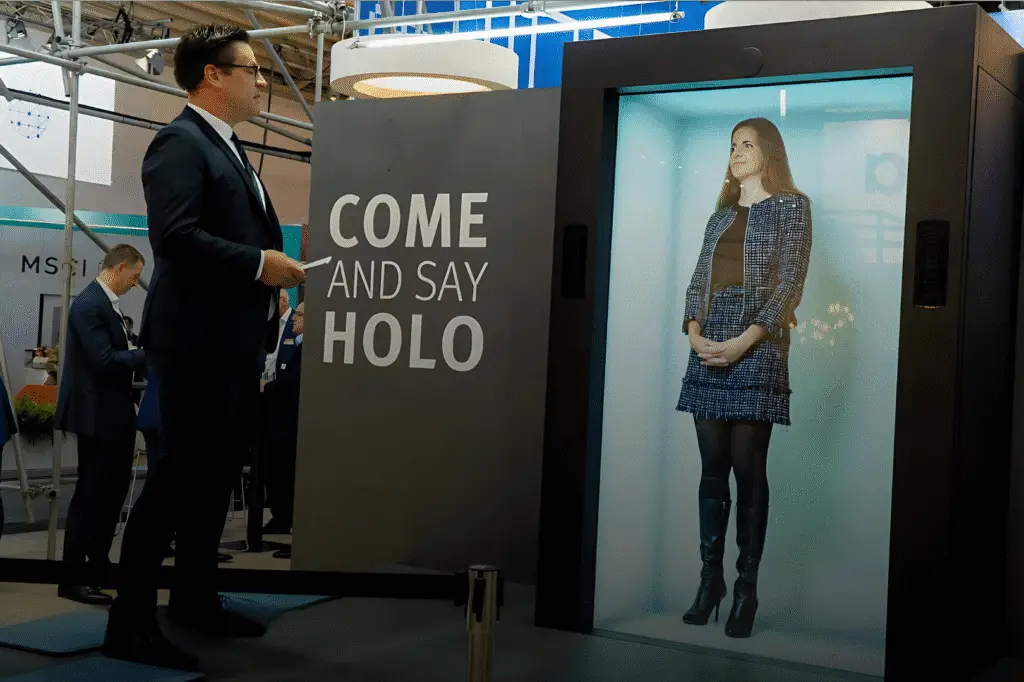
According to Freeman, 58% of attendees say product discovery is their top commercial reason for attending. If you want to engage sponsors more meaningfully, this is your north star. Discovery is not passive. It is emotional, aspirational and tied to how attendees see their own professional growth. Your sponsors should be positioned as essential guides along that path.
Start by designing booth spaces for interaction. Think tactile surfaces, modular displays, immersive storytelling and hands-on stations that mimic real-world use. Less showroom, more sandbox, where attendees can play, test and discover.
Encourage sponsors to create content-driven experiences too: sponsor-led learning zones, innovation lounges or challenge-based product walkthroughs that combine education with exploration. When product discovery is the main reason people attend, your sponsors do not just support that mission. They are that mission.
2. Push for hands-on, not handouts
Freeman found that 96% of attendees say hands-on exposure helps them advocate for a product internally, and 42% are more likely to switch brand preference without it.
Physical interaction is not a bonus. It is a differentiator. Sponsors need to move beyond static displays and giveaways and create environments where attendees can engage with the product and form their own conclusions. The more tactile the experience, the more confident attendees feel recommending that brand after the event.
Selling software? Think beyond a screen demo: guided simulations or mini-challenges where attendees work through scenarios themselves. Selling something tangible? Build spaces where people can hold it, test it, compare it and even co-create with it. Ask every sponsor one question: “What does this product actually feel like to use?”
And here is the deeper truth. When hands-on is not offered, attendees often read it as a lack of transparency or confidence. In a commerce-driven environment, that perception costs. Help your sponsors be remembered for what attendees could do, rather than for what they were told.
3. Replace booth staff with subject matter experts
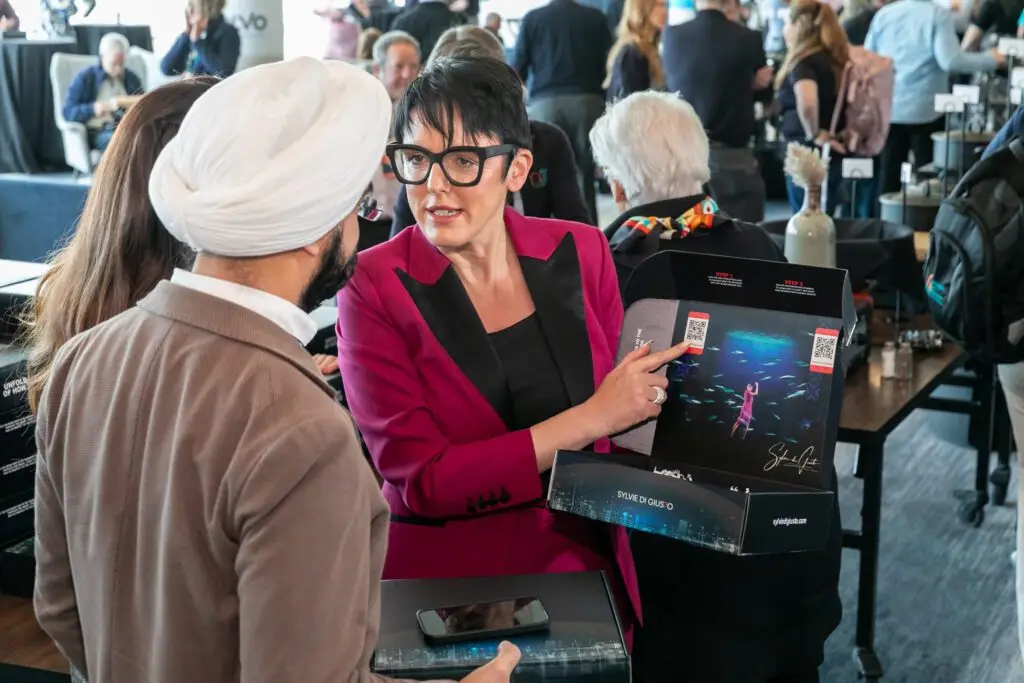
84% of attendees want access to subject matter experts, not just salespeople. Yet most booths still run brochure first, conversation second.
Encourage sponsors to shift from selling to sharing, from delivering a message to building a relationship. That starts with who they send: engineers, product developers, technical consultants and strategists, the people with the depth and context decision-makers crave.
Not every sponsor is ready to show up as a subject matter expert, and that is fine. You already have trusted voices on your stage. Why not bring them to the floor? I love working directly with sponsors when there is clear alignment, joining their space to offer deeper insight, spark real conversations or bring a keynote message full circle. It reminds attendees that learning does not end when the session does.
You can also give sponsors a new kind of stage, literally. Create sponsor spotlights or learning lounges where their experts share insights, answer questions or host micro-workshops. Their presence turns into a valuable touchpoint instead of a sales obligation. When sponsors show up as trusted advisors rather than vendors, attendees lean in, stay longer and leave impressed. In a commerce-first environment, that connection is measurable.
4. Help attendees find the right sponsors
If your event app is just a searchable list of logos, it is not helping. Freeman’s report shows attendees want navigation tools: filters, tags, routes and goal-based discovery. They expect to find the right connection quickly and with minimal friction.
Integrate sponsors into the event experience instead of isolating them in a tab. Build a matchmaking system or guided content tracks that connect attendees with relevant sponsors by industry, challenge or job function. Let people filter sponsors by the problems they solve, the technologies they offer or the industries they serve. Better discovery leads to deeper commercial conversations.
Use pre-event surveys to feed personalized sponsor recommendations into each attendee’s agenda or map. During the event, create themed routes (“AI in Retail,” “Sustainability Solutions,” “Workflow Automation”) that lead people from session to sponsor without a detour. At its best, your app becomes a discovery engine, as long as you treat sponsors as essential stops in the experience. Integrate them. Curate them.
5. Build sponsor moments into the program
Sponsor visibility should not end at the expo floor. If it does, you are missing some of the strongest opportunities to make sponsors part of the event’s story.
Look at where content and commerce naturally meet: keynotes, panels, networking breaks and brand activations. Could sponsors host interactive lunches that deliver insight and access? Lead hands-on workshops that solve real problems your attendees face? Could your keynote speaker tell a product story or launch an innovation with flair?
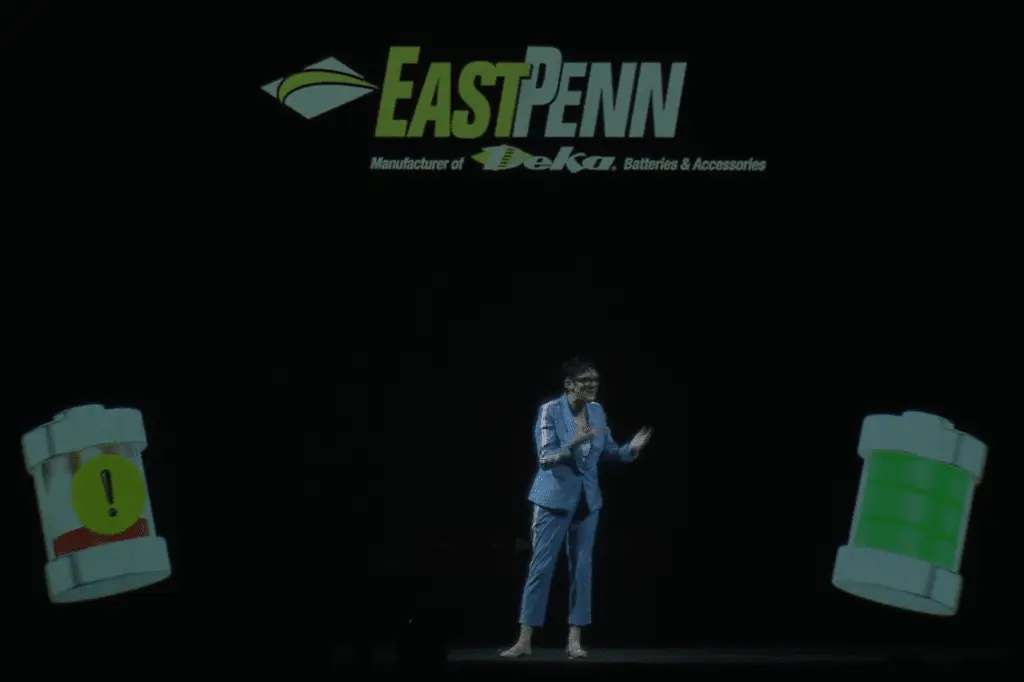
Keynote speakers are professional storytellers, so let them tell your sponsors’ stories too. When there is alignment, a speaker can bring a sponsor’s message to life in a way that feels authentic and unforgettable. With EastPenn, for example, we did more than mention the sponsor. We embedded them into the narrative, so the keynote became part of the sponsor experience instead of sitting next to it.
When sponsors feel like content instead of a commercial break, they earn more attention, more engagement and more return.
Then go further. Weave sponsors into your agenda in unexpected ways: gamified challenges, AR scavenger hunts, surprise product showcases or co-branded learning labs. The goal is to move from visibility to integration, and your audience gets a more cohesive, more memorable event in the process. For more on the main-stage side, read sponsor activation that goes beyond logos and lanyards.
6. Rethink the metrics together
If your event report still leads with badge scans and total booth visits, you are measuring noise, not value. Those numbers show movement. They do not show meaning. What matters now is depth, not volume.
Agree on outcomes with your sponsors early, tied to their business goals. Which interactions lead to real sales conversations? How many demos turn into follow-ups? What is the post-event conversion rate? How long do attendees stay engaged with the space or the content?
Support that with better measurement: digital touchpoints, heat maps of traffic flow, lead quality scoring or sentiment capture. Sponsors can use those insights to refine their messaging, booth layout and staffing, which raises both their results and the credibility of your event. The real win comes when sponsors stop asking “How many leads did we scan?” and start asking “How much momentum did we build?”
Sponsors want to be useful. Let them.

The biggest opportunity right now is to stop treating sponsors as a separate line item and start treating them as part of the experience itself. When you reframe the relationship, from advertisers to experience partners, you give them a real reason to show up differently. And when they show up differently, your attendees do too.
In my own keynotes, sponsors can be woven into the 3D story, from co-created moments that spotlight their innovation to their message living inside the immersive environment. If that sounds like a fit for your next event, explore the 3D immersive experience, and see where the industry is heading in these event industry trends.