Every organization is wrestling with the same question: what does AI mean for us, for our people, our industry, and the economy we operate in? The top AI keynote speakers don’t open a laptop and walk an audience through the newest ChatGPT feature; they zoom out to the impact, on how organizations are run, how work changes, and where the economy and society are heading.
To be clear, these are not the functional, tool-of-the-week presenters. The speakers here operate at altitude: strategy, leadership, creativity, economics, and the human consequences of intelligent machines. If you want a step-by-step prompt tutorial, this isn’t that list, and that is exactly the point.
Because top AI keynote speakers turn anxiety into clarity and give an audience a way to think, not just a feature to try. The speakers below each take a different, credible angle on what AI means for the bigger picture.
A note on selection and order: I’ve personally seen every speaker here present; that’s my bar for including anyone. They’re listed alphabetically by last name, not ranked, because this is a curated selection rather than a leaderboard. And yes, I’ve included myself; it would be odd to leave my own name off a list I stand behind.
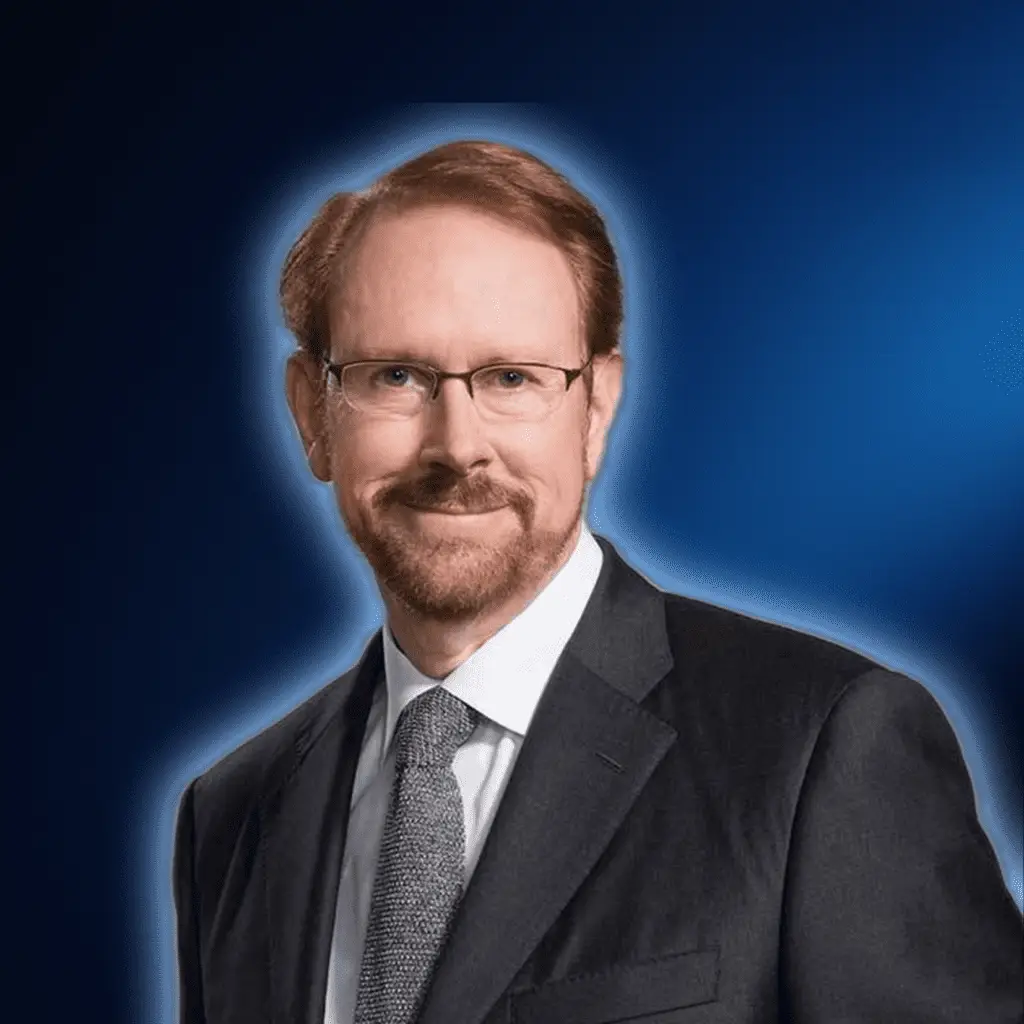
One of the world’s leading futurists, Daniel teaches the difference between “hard trends” you can count on and soft ones you can’t, so leaders anticipate disruption instead of reacting to it. With AI, that distinction is gold: it separates durable bets from hype. He’s been forecasting technology shifts for decades, which lends real authority. For executive audiences who need a strategic framework rather than a gadget demo, Daniel is the anchor.
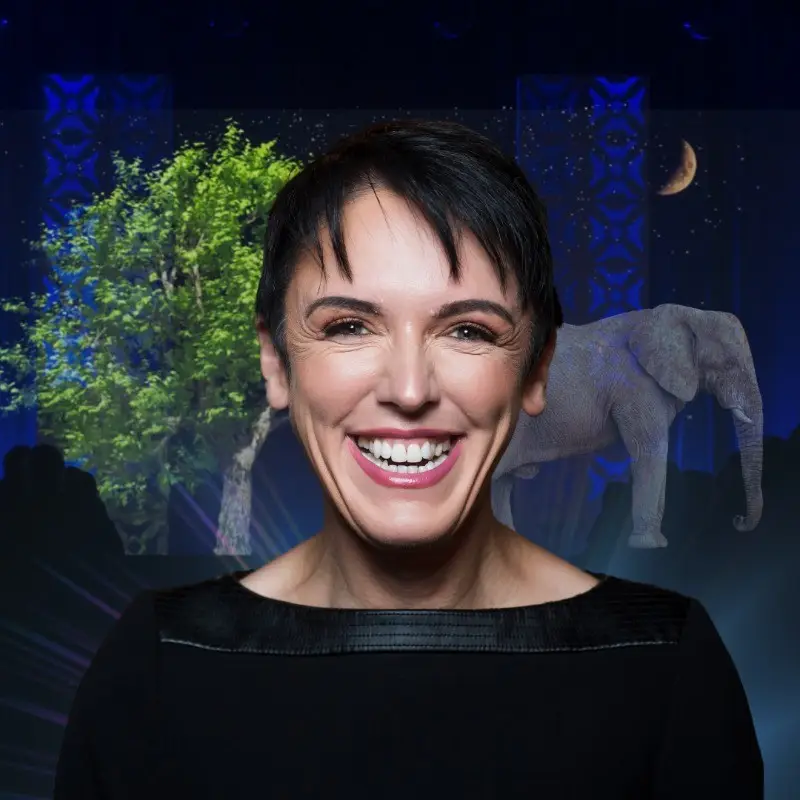
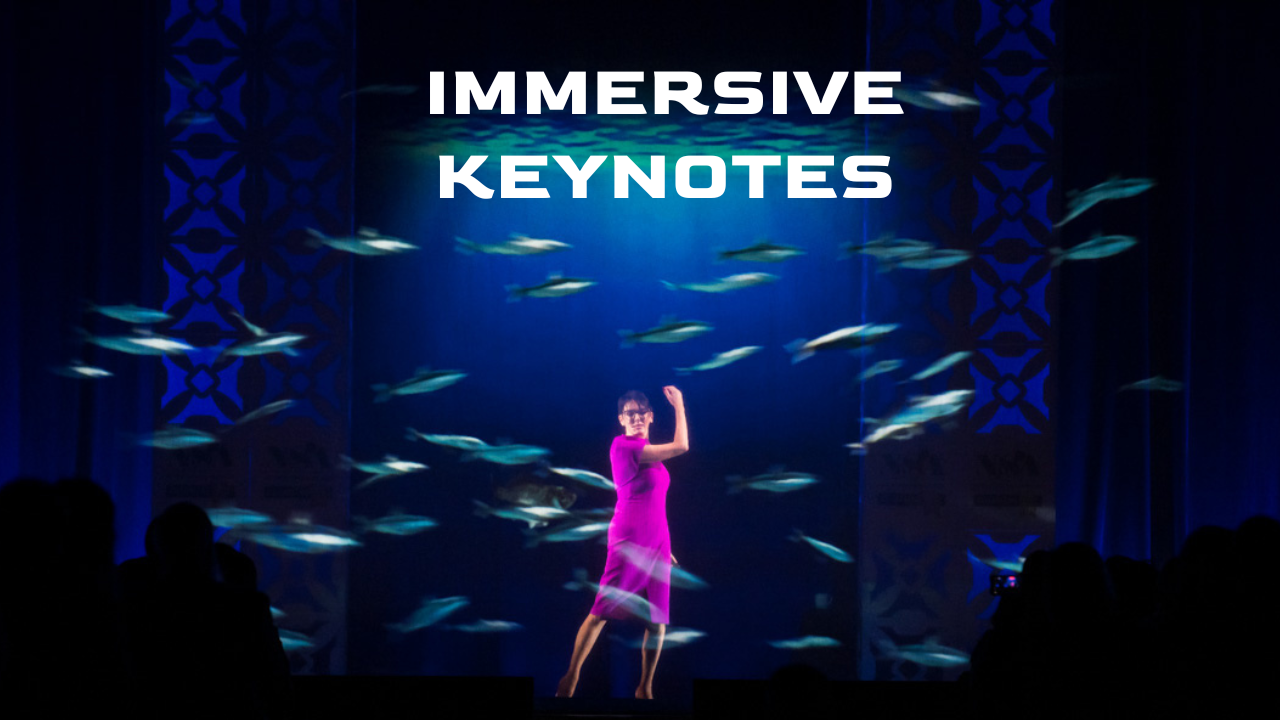
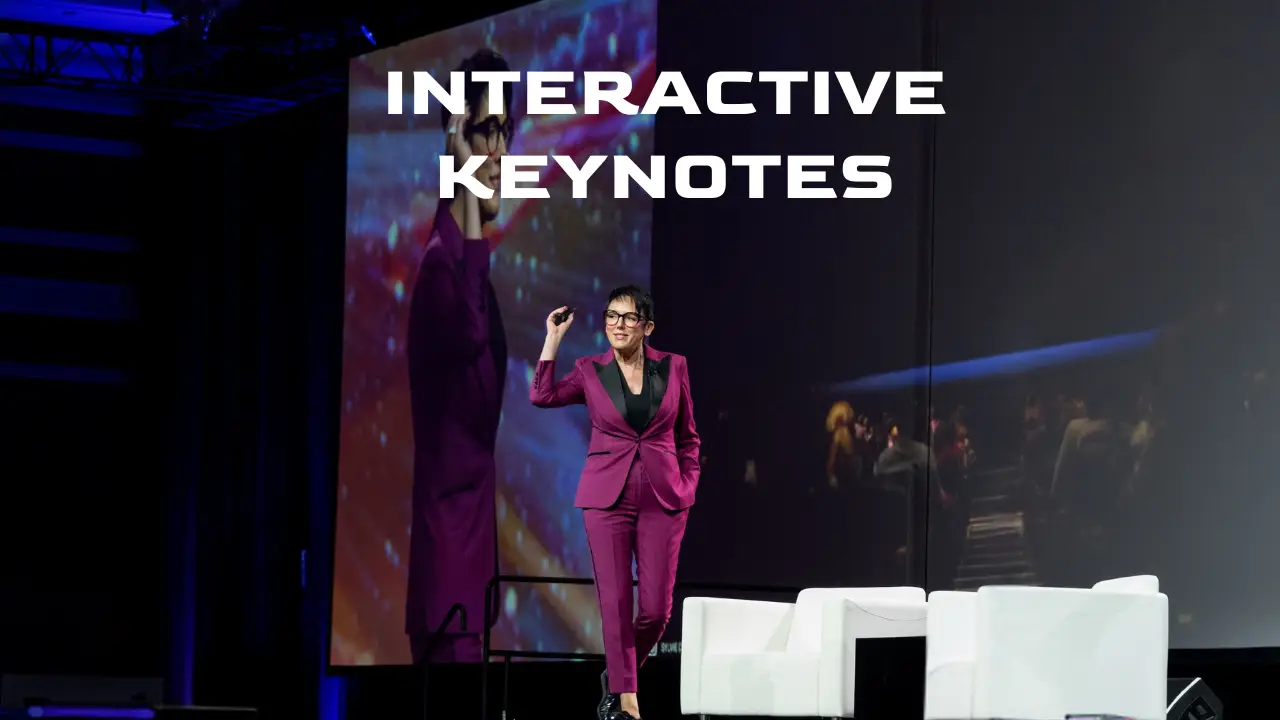
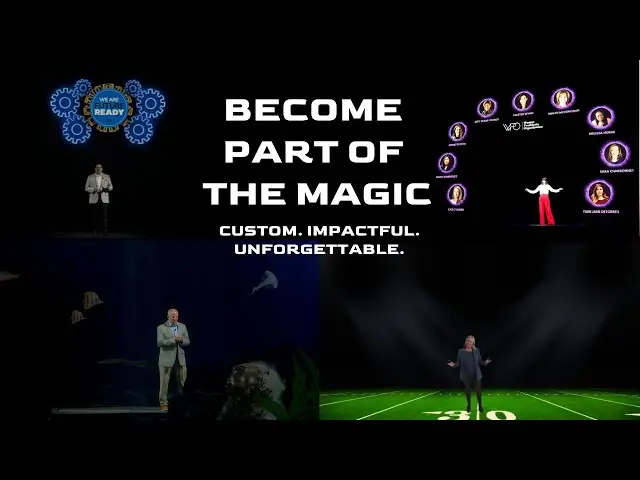
Full disclosure, that’s me. My keynote Forever Human looks at AI through a behavioral lens: how automation is reshaping the way people communicate, trust, and decide, and how leaders stay human as machines grow more capable. Rather than predict the tech, I focus on the human response to it, the part most AI talks skip. And I deliver it as the world’s first 3D immersive holographic experience, which makes the human-versus-machine theme impossible to forget.
Known as the “Tech Humanist,” Kate helps organizations make technology decisions that are both human-friendly and strategically smart. She cuts through the AI hype to what actually matters: the long-term impact on people and business. Her framing helps leaders avoid the trap of adopting tech for its own sake. For audiences that want a thoughtful, values-aware guide to the AI era, Kate is the steady hand.
Sam is the bridge between the big AI shift and what a revenue team actually does about it. His sales-intelligence work reframes how AI is changing the way buyers research, decide, and expect to be understood, then turns that shift into an approach client-facing teams can act on. It’s strategic enough to matter to leadership and concrete enough to use, without collapsing into a tool tutorial. For sales organizations that want the big picture and a credible way to apply it, Sam strikes the balance.
John is a futurist who helps leaders sit with the biggest question AI raises: not what the tech can do, but who we become as it does. His talks are expansive and a little philosophical, in the best way, pushing executives to think about identity and adaptability. He pairs global perspective with genuine optimism about human potential. For C-suite audiences ready for a mind-expanding conversation rather than a tool tour, John delivers.
Ford works the line between mindset and application. His “AI Mindshift” starts with how an organization needs to think about AI, the economic and cultural shift it has to lead through, then translates that into growth, stronger human connection, and real ROI rather than a chase for features. He thinks in systems, so leaders leave with both the strategic case and a path to act on it. For organizations that want the big picture and a hands-on way forward, Ford pairs the two.
James reframes AI as a multiplier of human creativity rather than a replacement for it. His SuperCreativity work helps teams use AI to think bigger and generate more, not to flatten their originality. He’s reassuring for audiences worried AI will make their craft obsolete. For creative, marketing, and innovation teams, James turns a threat into a collaborator.
Mike studies how AI is rewiring organizations at the deepest level, not the tools, but the operating models, leadership, and economics that intelligent machines rewrite. His work, including The Algorithmic Leader, helps executives design their companies for a world run on AI rather than retrofitting yesterday’s org chart onto it. He’s data-driven and global, drawing on how the most advanced companies and economies are actually adapting. For teams that want the strategic and societal big picture, Mike sets the altitude.
Sylvie di Giusto, CSP CPAE, is a multi-award-winning international Hall of Fame keynote speaker and author, known as the world’s first 3D immersive holographic presenter. She empowers audiences to lead better, sell faster, and persuade instantly through the power of intentional choices.
RENT MY BRAIN
If your keynote matters, your preparation should too.
Meet for a focused, one-on-one session and get direct, practical and experienced guidance. No fluff. No guesswork.